What is communalism?
Communalism is real democracy, returned to its roots. Government for the people by the people. It is based on and promotes a set of values that are essential to building a fairer, greener society.

Non-hierarchical and inclusive
We're working toward a world where no one is oppressed, regardless of gender, sexuality, ethnicity, ability, age, or any other factor. Communalism organizes horizontally, meaning everyone is equal. We pay special attention to communities that have faced oppression for generations, including indigenous people, people of color, and women.

Social, political, and ecological
Most ecological problems are really social problems. The destruction of our planet is a direct result of a hierarchical, capitalist grow-or-die mentality. To fix the environment, we must first fix society. By embracing equality and a fairer, community-driven economy, we can heal both. This is social ecology and it’s at the heart of the Communalist movement.

Feminist
Women face disproportionate violence, from gender-based abuse to state and military force. Yet women are often the strongest carriers of the values we need most: care, mutual aid, cooperation, and consideration. Communalism puts these values at the center of how we organize and the society we're working to build.

Local
We’re redefining politics. It shouldn't be something that happens to us, but something we do for ourselves. Not just by voting every few years, but by showing up to make decisions together and shape the future of our communities – whether neighborhoods, greater regions, or the wider world. Real politics is face-to-face and built on local, grassroots democracy.

Confederalist: independent yet united
People often think that big problems like global warming need big, state-led solutions. But communalism believes the opposite: it’s neighbors working together in local assemblies that often have the best answers. By sending delegates to coordinate with other communities and express communal views, decisions taken at the local level can address regional and even continental problems. That is confederalism and it fuels communalism. The key is that these delegates speak for their communities, not for themselves. Confederation takes the power of local democracy and scales it up, so ordinary people can have a real say in the issues that matter most.
Is communalism the same as municipalism?
Communalism and municipalism are sometimes used interchangeably. Recent years have seen exciting accomplishments made by municipalist projects in different forms – from electoral platforms like Barcelona en Comú, which improved daily life for residents, to the Yellow Vest movement in France, where ordinary citizens assembled to discuss autonomy. These projects have shown what local, people-powered politics can do.
But we chose “communalism” deliberately.
While municipalism includes a broad range of local politics we support, communalism goes a step further. By nurturing socially connected neighborhoods, we aim to empower people to bring about real, deep structural change – even on a global level.
The word communalism traces back to the Paris Commune and has been used more recently by Murray Bookchin and the Kurdish freedom movement. It signals something more radical: a society free of exploitation and hierarchy, where grassroots democracy thrives and people live in harmony with the natural world.
Ready to add your voice to the movement?
Join the communityOur story
The Communalism Network was started by Debbie Bookchin and Carne Ross, two longtime advocates of communalist democracy. But it’s run collectively by activists from around the world. Among others, we work closely with our friends at the Institute for Social Ecology and the Municipal Learning Project.

John Doe
Lorem ipsum dolor sit amet, metus at rhoncus dapibus, habitasse vitae cubilia.
John Doe
Lorem ipsum dolor sit amet, metus at rhoncus dapibus, habitasse vitae cubilia.
John Doe
Lorem ipsum dolor sit amet, metus at rhoncus dapibus, habitasse vitae cubilia.
John Doe
Lorem ipsum dolor sit amet, metus at rhoncus dapibus, habitasse vitae cubilia.
Our story
The Communalism Network was started by Debbie Bookchin and Carne Ross, two longtime advocates of communalist democracy. But it’s run collectively by activists from around the world. Among others, we work closely with our friends at the Institute for Social Ecology and the Municipal Learning Project.
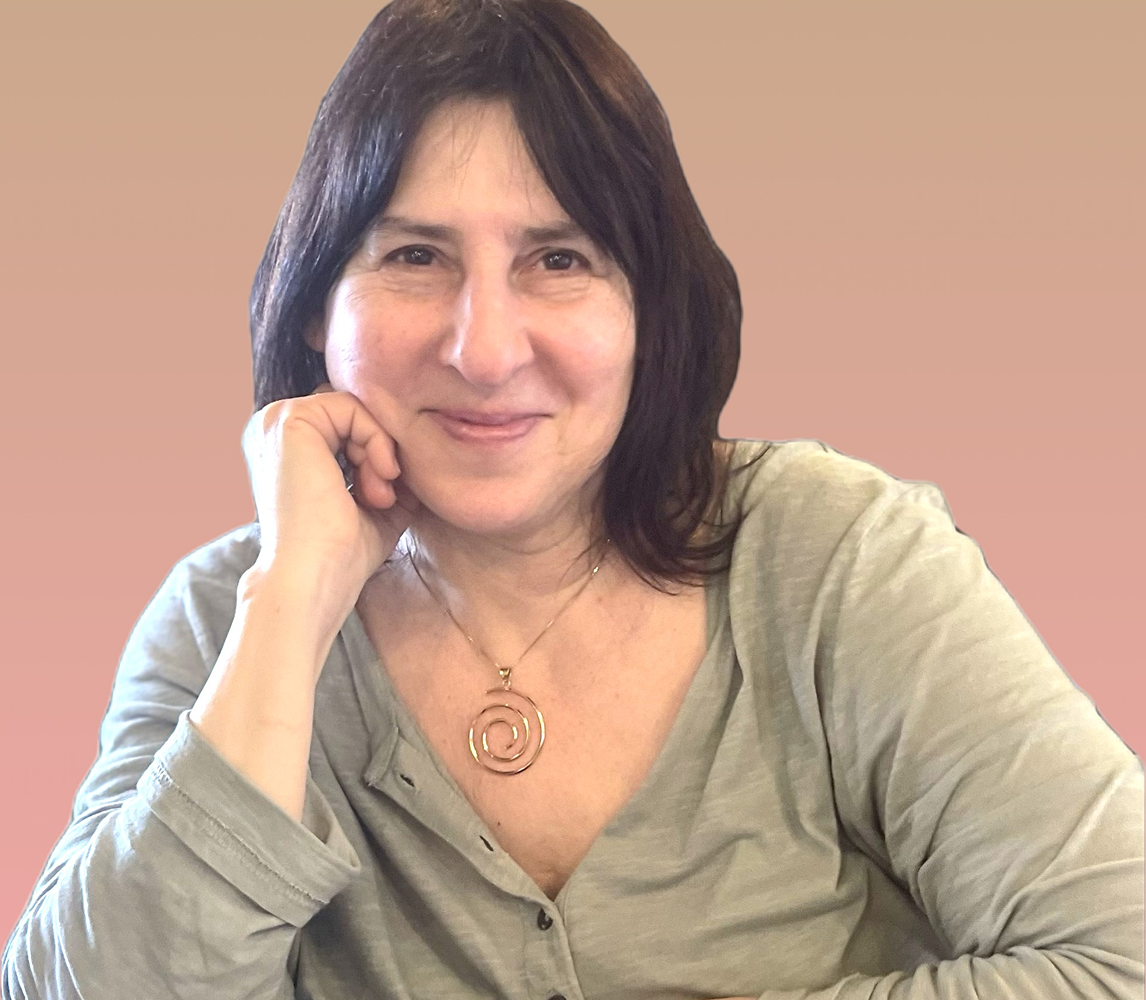
Debbie Bookchin
Debbie Bookchin is a longtime journalist and writer whose work has appeared in The Atlantic, New York Review of Books, The Nation and many other outlets. She is the daughter of communalist theorist and activist Murray Bookchin, whose formative ideas about social ecology and communalism have influenced movements around the world. Her article “The Future We Deserve” in the book Fearless Cities (available for free online here) is considered a founding document of the radical municipalist movement, and she is excited to be a part of the growing effort to bring local democracy to cities and towns everywhere.

Carne Ross
Carne Ross has been writing about and working on communalist democracy for many years, including his work to support communalism in North East Syria (Rojava). He is a former British diplomat and now advises democratic countries and political movements around the world.
Learn. Connect. Grow.

Courses & Events
Attend courses and events run by experienced activists and learn how to set up a communalist democracy in your own neighborhood.

Discussion
Add your voice to the conversation! Connect with other community members on our open chat pages.

Archive
Learn more about the movement from our archive of articles and thought pieces on communalism. Then share to spread the word!
Stay connected
Join our online community and sign up to our mailing list for notifications about events, workshops, and project updates.