





STILLNESS
Not emptiness. Just enough quiet to hear what you already know.
Twenty years of practice on the page — the same ten quiet minutes I teach, in a form you can keep by the bed. "You don't have to earn rest. You just have to stop performing calm."
BUY ON AMAZON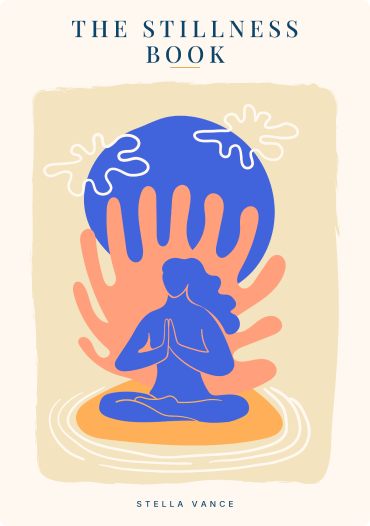
by Stella Vance
you don't need to empty your mind. You need to stop fighting it.
— from Chapter One
BUY THE BOOKWhat makes it different

A small villa above the rice terraces, twenty minutes from Ubud, where I first learned to stop trying so hard. Ten days, twelve women at most, two sits a day, and a lot of time in which nothing is asked of you. The retreat is not a course. It is the practice, with the rest of life removed.

Each chapter ends with a practice and one question, which makes the book easy to read in a small circle — a friend, a sister, three colleagues at lunch. The first ten circles each season get a free facilitation guide and a live Q&A with me.

Tell me your timezone and pace, and I’ll connect you with two or three women starting the book the same week.
FIND MY CIRCLEGet the free facilitation guide — week-by-week prompts, timings for the practices, and how to hold the quiet parts.
GET THE GUIDE
You've practised for a while, mostly alone — ten minutes here, a quiet morning there — and you keep wondering what would happen if the practice had a whole day to itself. This is that day, ten times over: no cooking, no planning, no one needing you. Just the sits, the terraces, and more silence than you've ever been given at home.
We've sat together on a screen for months — the weekly Circle sits, the mentoring calls, the questions posted to the forum at odd hours. This is the week we finally sit in the same room: same practice, same faces, real air. Most women say it feels less like meeting strangers and more like arriving somewhere they've already been.

Something has ended, or is about to — a job, a marriage, a decade of looking after everyone else. Before the next thing begins, you need ten days that belong to no one else: no explaining, no deciding, no performing being fine. The retreat won't solve what's changing at home, but it gives you somewhere steady to stand while it does.
RETREAT · 10 NIGHTS · 12 PLACES · BALI

One price covers the whole stay. Flights are the only thing you book yourself. A deposit holds your place; the balance is due eight weeks before we begin.
We sit together as the light comes up over the terraces — forty minutes, guided at first, then quieter as the week goes on.
An hour of slow, unheroic yoga to open the hips and back — so the rest of the day's sitting is comfortable instead of brave.
Fruit, rice, eggs, coffee, the good kind of quiet. In the silent days, the meals are the practice too.
Read, swim, sleep, write, walk into Ubud, do nothing at all. Every second day there is an optional hour with me for whatever has come up.
A second guided sit, then a slow walk through the rice terraces. Some days we talk on the walk. Some days we don't.
A short sit, then we talk — or, on silent days, we don't. Lights out when you're ready. Tomorrow has the same shape.
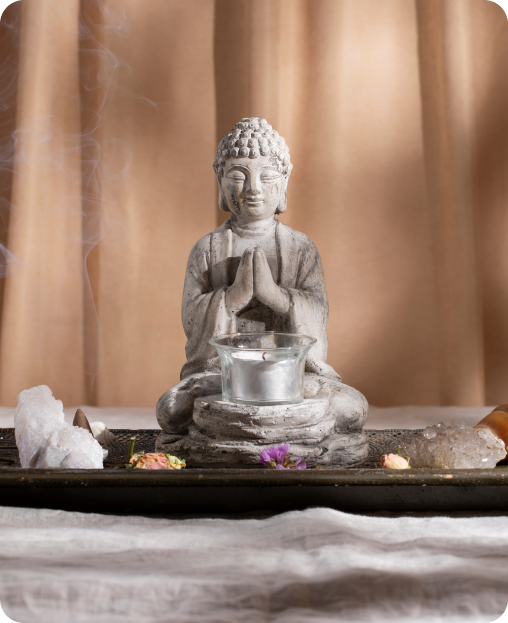

SESSIONS 1–2 We start with your week as it is, not as it should be. I watch you practise and I ask a lot of unglamorous questions.
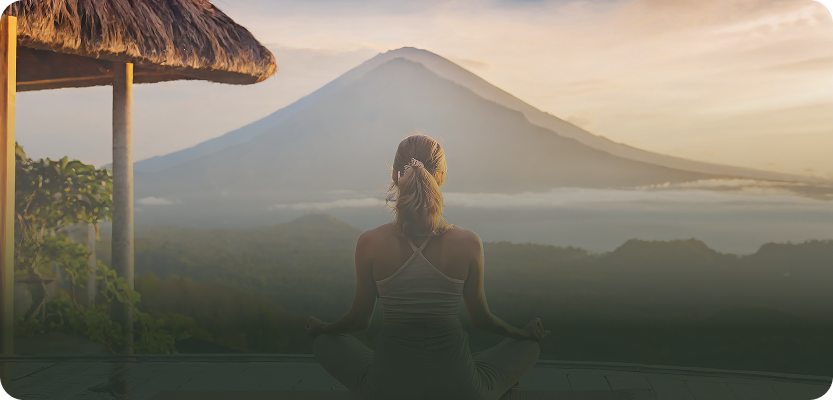
SESSIONS 3–6 A plan written for your schedule and your nervous system, adjusted every fortnight based on what actually happened.
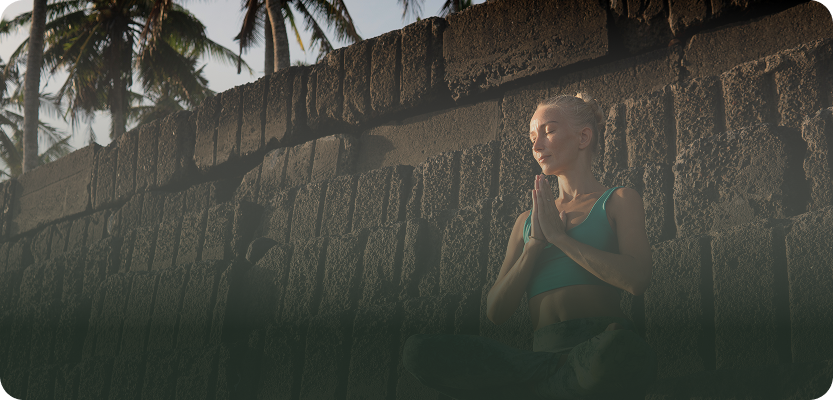
SESSIONS 7–8 We take me out of it. You leave with a practice map you can run alone, and know how to repair when it slips.
Three women I usually meet. Mentoring starts with which one you are.
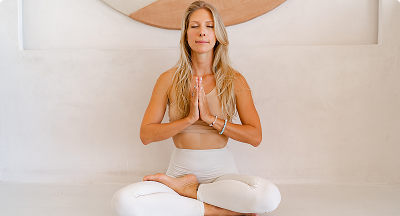
You finished Find Your Stillness, loved it, and your practice quietly stopped in month two. You want it back without starting over.

A move, a loss, a diagnosis. You need a practice that bends around a life that won't hold still, and someone to help shape it.
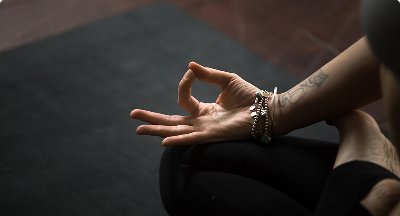
You guide yoga, breathwork or clients of your own, and you want your own seat to be honest before you ask it of anyone else.


Let's talk before you begin
The books, the apps, the cushion that's now a plant stand. Each one worked for about three weeks. The problem was never you — it was that you were doing it alone.
Ten minutes feels simple until the week goes wrong, and then it's the first thing to disappear. What keeps a practice alive isn't willpower, it's having somewhere to come back to.
You already know meditation is good for you. You don't need another explainer. You need company while the habit sets, and a hand on the weeks it doesn't.



Ten-minute sits that teach attention to settle. Over six weeks the noise quiets enough that you can tell what you actually feel.
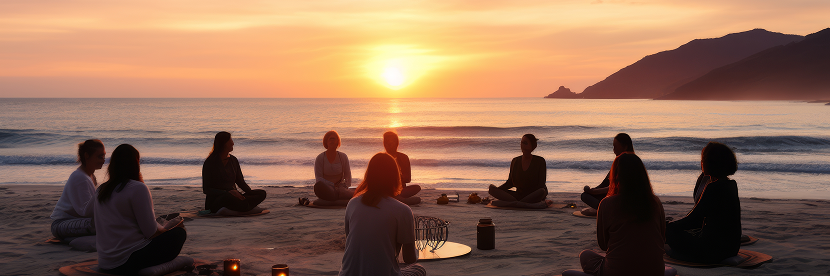
Slow yin sequences open the back, hips and shoulders — so stillness feels like rest, not endurance, and energy returns without forcing it.
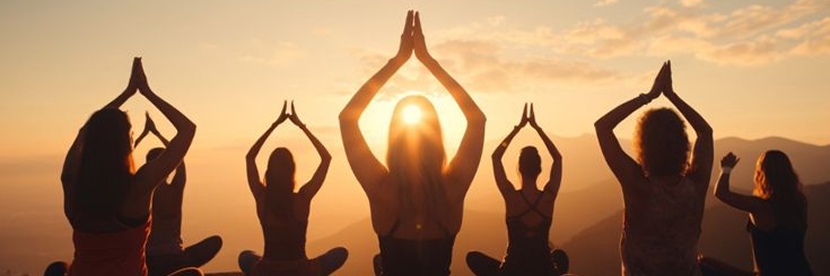
Simple breathing practices that steady the nervous system in minutes — usable in a meeting, a queue, or a hard conversation, not just on the mat.

A single page each week that turns a vague "I feel calmer" into something you can see, repeat, and come back to when a week goes wrong.
Ten-minute sits that teach attention to settle. Over six weeks the noise quiets enough that you can tell what you actually feel.
Slow yin sequences open the back, hips and shoulders — so stillness feels like rest, not endurance, and energy returns without forcing it.
Simple breathing practices that steady the nervous system in minutes — usable in a meeting, a queue, or a hard conversation, not just on the mat.
A single page each week that turns a vague "I feel calmer" into something you can see, repeat, and come back to when a week goes wrong.
The long way back to myself
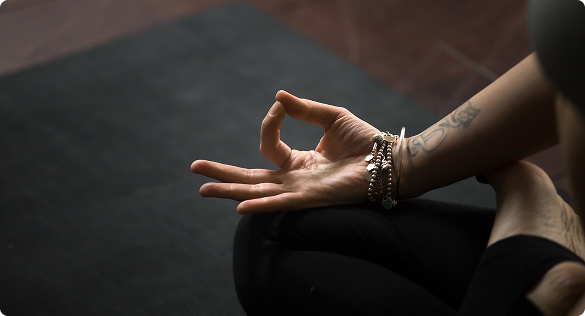

I started meditating at twenty-one, not because I was wise but because I was running on empty and far too proud to say so. I read the books. I bought the cushion. I quit roughly every January for the next ten years, and each time I decided the problem was me.

I went to Bali for three weeks and stayed six years. What changed things wasn't a technique — it was a woman who taught me by sitting beside me and asking nothing at all. She never once checked whether I'd practised. Somehow that was the year it stopped being a test I was failing.
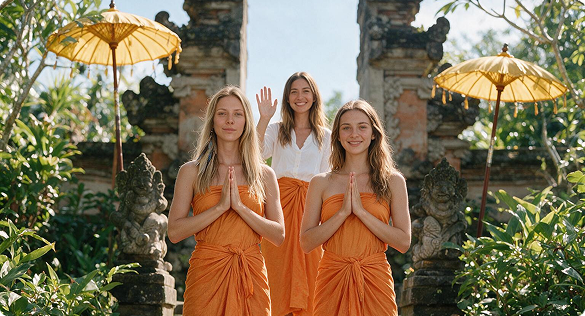
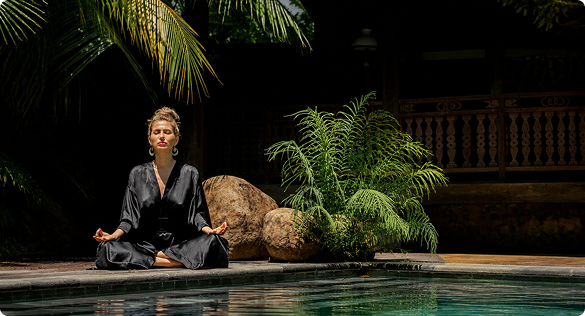

I teach because I remember sitting down for the first time with no idea what I was doing, certain that everyone else had found it easy. Nobody told me the fumbling part is the practice. So now I say it first, to everyone.
First taught. Three women in a borrowed living room.
Moved to Bali. Meant to stay three weeks.
First retreat. Twelve women, one villa, no plan.
The Stillness Book, and 3,000 women later.
First taught. Three women in a borrowed living room.
Moved to Bali. Meant to stay three weeks.
First retreat. Twelve women, one villa, no plan.
The Stillness Book, and 3,000 women later.
Principles that shape my practice

You'll meditate on day one, not read about it. Understanding arrives afterwards.
Five minutes on a hard day is worth more than an hour on an easy one. Both count.
Small rituals, honestly held, are what make a practice stay. Nothing elaborate.
Community is not a bonus feature. It's the reason most people keep going at all.
Balinese practices are led by Balinese teachers. I was invited, and I stay a guest.
I still have them, twenty years in. Pretending otherwise would help nobody.
Let's talk before you begin



Two ways to practise - wherever you're starting from

Six weeks of practice, laid out week by week, yours to move through whenever life allows.
When a group isn't enough. A practice built around your life, your body, your week.
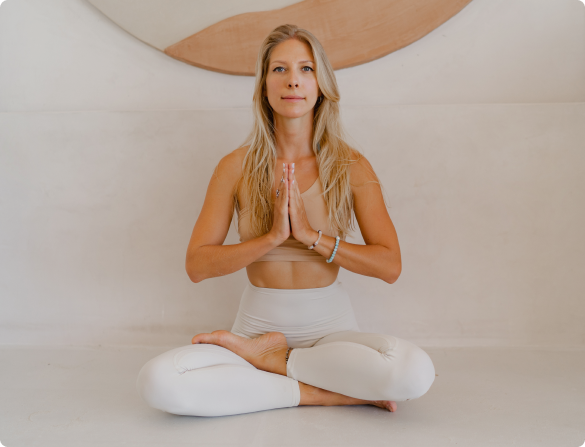
HOW TO BEGIN YOUR MEDITATION PRACTICE, WITH ME
The Circle is the room I wished I'd had when I started - women practising alongside you, every week, whether or not you've done this course. It's the part of TIRTA that keeps people here after the six weeks end.

I started meditating twenty years ago because I was running on empty and too proud to admit it. I found my way to Bali - and stayed for six years, long enough for the practice to stop being something I did and start being something I am. I teach because I remember exactly how it feels to sit down for the first time and have absolutely no idea what I'm doing. I still have days like that. And that's the whole point.
Get early access, truth drops, and first invites.

Get started today before this once in a lifetime opportunity expires.