
Should You Build Your Course First or Your Sales Page?
This is one of the questions we hear most often from creators.
Should I build the whole course first, then create the sales page? Or should I create the sales page first and build the course while people are signing up?
The answer is: it depends. But there's a right way to think about it.
Why does course structure matter first
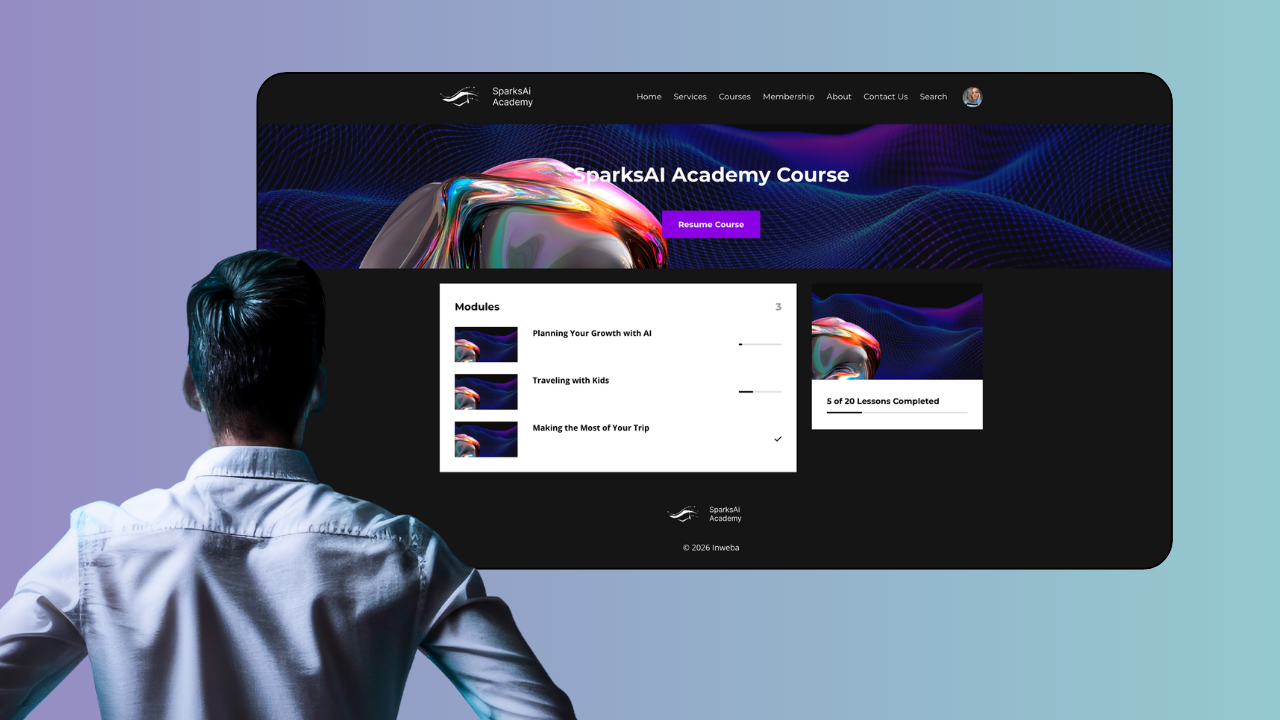
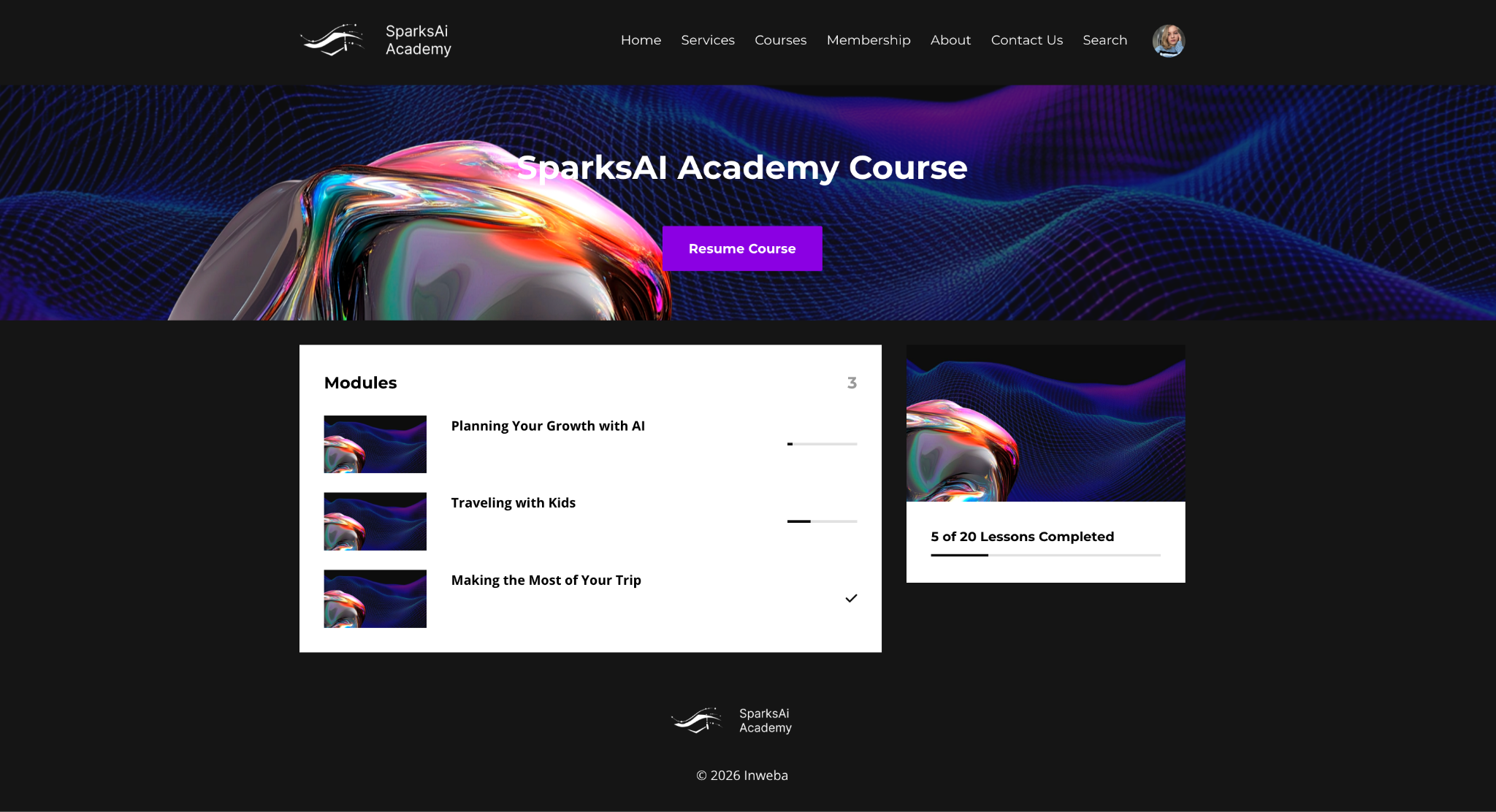
The best approach is usually to build your course first.
Not necessarily to have it completely finished. But at minimum, you should know:
- What problem does this solve?
- Who is it for?
- What transformation will they experience?
- How many modules does it have?
- How long does it take?
- What's the structure?
When you know these things, your sales page becomes easy to write. Because you're describing something real, not something theoretical.
People can feel the difference. When you write a sales page about a course that exists and is well-structured, it sounds confident. It sounds like you've actually thought this through.
When you write a sales page for a course you haven't built yet, it often sounds like a guess.
The danger of building the sales page first
Here's what we see sometimes: someone creates a beautiful, compelling sales page. The copy is great. The design is perfect.
Then they start building the actual course. And sometimes the course doesn't match the promise. Or the structure is messy. Or it's not as good as the sales page made it sound.
Now you have a customer who's disappointed. The page promised one thing, but the course is different.
This is bad for your reputation and bad for refunds.
The middle ground: validation first
But here's the thing: you don't need the entire course finished before you test whether people want it.
A smart middle approach is:
- Build your course structure (outline, modules, flow)
- Create a landing page or waitlist (not a full sales page)
- Start collecting emails from interested people
- Gauge demand
- If people are excited, build it fully
- Then create your real sales page
This way, you're validating that people actually want it before you invest all the time.
If nobody signs up for the waitlist, you've saved yourself months of work. Maybe the topic isn't as interesting as you thought. Maybe the angle needs to change.
If tons of people sign up, you know you're onto something. Now you can build with confidence.
The mistake of rushing the course
We see this sometimes: sales page goes live, students enroll, and the course creator suddenly realizes they need to film videos, write modules, and create homework while their students are waiting.
This is stressful. Quality usually suffers. Students can feel the rush.
If you build first (or at least the outline and structure), you can deliver a polished experience. Students get access to a complete, organized course. The experience feels professional.
Final thought
The best sequence is usually:
- Decide on your topic and audience
- Build your course structure and outline
- Test demand with a waitlist if it's new
- Build the course fully
- Create your sales page
- Launch and collect results
This takes longer than jumping straight to a sales page. But it results in better courses, happier customers, and more sustainable growth.
If you want help structuring your course or creating a sales page that actually matches your offer, we can help.